
4 Ideas for Furnishing a Small Kitchen
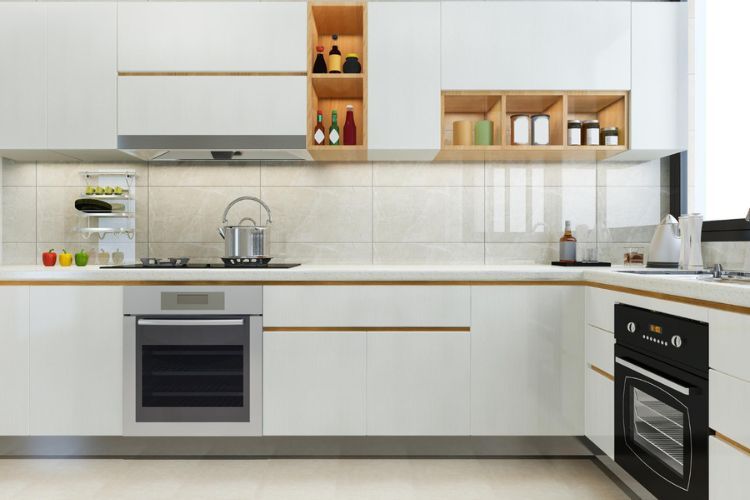
It’s easy for a small kitchen to begin feeling claustrophobic—nobody wants to feel cramped in one of the most important rooms in a home, whether they’re a buyer or seller. Depending upon how you choose to decorate the space, however, it’s entirely possible to make even the smallest of kitchens feel more open and welcoming. Here are just a few ways to get you started.
1. Use the Ceiling
Unsurprisingly, many small kitchens are lacking in cupboard and counter space. This is a great opportunity to use what the ceiling has to offer. For example, you could try hanging a brass rod above your sink and use it to hang pots, pans, mugs, and more. Not only does it look industrial chic, but it’s also a practical way to expand your storage space.
2. Add Plants
When a room is beginning to feel drab and lifeless, what better way to brighten the space up than by adding plants? Even in a small kitchen, there are plenty of spaces you can incorporate greenery into the layout. On top of the fridge, on the windowsill, and atop the cabinets are great examples. If you get a good helping of sunlight in your kitchen, that’s even better.
3. Conceal Using a Fabric Skirt
Some small kitchens might not even have closed cabinets beneath the sink and in other cramped corners. If you’re looking to hide what’s below, a great solution is to add a fabric skirt. You can tuck away anything unsightly while adding a bit of cozy farmhouse flair to your kitchen. From cleaning supplies to wastebaskets and more, all can be concealed with a strategically placed skirt.
4. Throw Down a Rug
If you’re looking to add decor without taking up too much additional space, why not add a stylish rug into the mix? Rugs are a fantastic item to add if you’re hoping not to make a cramped space feel even more tightly packed. Plus, rugs can be a cozy addition to any living space, and they add a unique pop of warmth and color to your design. With all the options out there, you’ll find a rug that suits your style in no time!
Need additional advice? Just ask us how you can bring your small kitchen (or any other home space) to life.


If you’re selling your home but need extra time before moving out, a rent-back agreement can be a helpful option. This arrangement allows the seller to remain in the home for a short period after closing, essentially becoming a temporary tenant of the new owner. These agreements are usually brief and come with a set end date, but they provide valuable time to finish packing and transition into your next home. If you’d like to understand when a rent-back agreement is useful and how to set one up, we’re here to help.

A flooded basement can be overwhelming and costly, often happening with little warning. If you discover water in your basement, stay calm and follow a few essential steps. Start by making sure it’s safe to enter. Turn off the electricity and gas, and watch for damaged wiring or signs of structural issues. In some cases, you may need to wait until all the water is drained before going inside. Once it’s safe, identify the source of the flooding and begin removing or pumping out the water. Afterward, you can focus on repairs and restoring the space. Need help recovering from a basement flood? Contact us for guidance on next steps.


Everyone wants a secure home, but safety involves more than locked doors and basic maintenance. Many risks inside your home can go unnoticed and put your family at risk. Here are five common hazards to watch for: 1. Mold Moisture can lead to mold growth in bathrooms, carpets, walls, and other damp areas. Clean spills and leaks right away and watch for musty smells or discoloration. Use dish soap or non-ammonia cleaners to remove small patches. 2. Cleaning Products Some household cleaners contain harsh chemicals. Choose non-toxic or natural options like vinegar and baking soda whenever possible. If you use chemical cleaners, wear proper protection and keep the area well-ventilated. 3. Radon This invisible, odorless gas can only be detected through testing. Hire a professional or use a radon detector, especially in basements. If levels are high, install a ventilation system to safely redirect the gas outdoors. 4. Carbon Monoxide Carbon monoxide is a deadly gas with no smell or taste. It often comes from fuel-burning appliances with poor ventilation. Have a technician inspect your heating system and gas appliances annually, and install CO detectors. 5. VOCs (Volatile Organic Compounds) Paints, solvents, and certain finishes release VOCs that may harm indoor air quality. Choose low-VOC paint and ventilate rooms well during and after painting.

Thinking about remodeling your shower but not sure where to start? There are many ways to improve the space depending on your needs and style. You might switch from a basic shower to a shower–tub combo or add built-in niches and shelves to increase storage. If the layout allows, installing a window can bring in natural light and make the shower feel more open. You can also consider adding a seat, upgrading the door, or choosing new materials to give the space a fresh look. Whatever direction you take, enjoy the renovation process. Need guidance on your shower upgrade? Contact us for expert help.


Home offices are more popular than ever, and with that growth come several design and functional trends worth exploring. Hybrid furniture is a great option for those without a dedicated office room — pieces like convertible coffee tables can shift into full workstations when needed. Standing desks are also trending, offering notable health benefits and flexibility. Another shift is toward lighter, minimal storage. Bulky filing cabinets are being replaced with sleeker, space-saving solutions. If you’d like more ideas for organizing or decorating your home office, feel free to reach out.

Before finalizing the purchase of a home, it’s important to follow a clear checklist. Start by making sure all contingencies—such as the inspection, appraisal, and financing—are fully resolved. You should also clear the title and secure title insurance to protect yourself from future ownership disputes. Once you receive your final mortgage approval, review your closing disclosure carefully. Then complete a final walk-through to confirm that the property is in the agreed-upon condition. Lastly, gather all required documents so you’re prepared for closing day. If you need more guidance on buying a home, we’re here to help.